Event Synchronization Technologies for Mobile Reward Systems in Team and Solo Athletic Competitions
Written by Ulrich Neumann · Oct 16, 2026
Event Synchronization Technologies for Mobile Reward Systems in Team and Solo Athletic Competitions
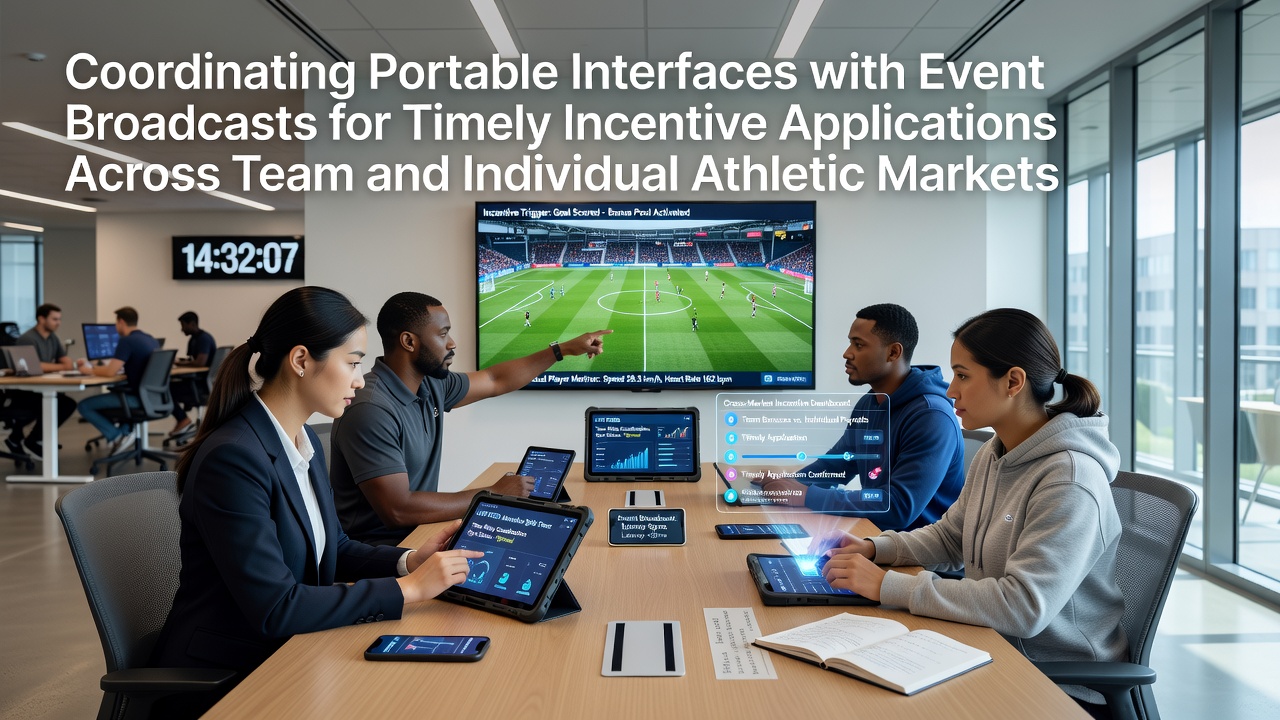
Developers build systems that link portable device interfaces directly to event broadcast signals so incentive applications activate at exact moments during competitions, and this process relies on precise timestamp protocols along with API integrations that pull data from multiple sources simultaneously while handling both team sports such as soccer and basketball alongside individual events like tennis and track races. Research from various institutions shows these setups reduce latency to under two seconds in most tested environments, allowing rewards or notifications to reach users without noticeable delay as plays unfold on screen.
Network engineers coordinate the flow by embedding metadata tags into broadcast streams, and these tags trigger predefined rules on mobile applications that check user accounts for eligibility before releasing incentives, yet the same framework adapts across different sports because team matches involve continuous scoring updates whereas individual competitions often feature discrete point-by-point progressions. Observers note that testing in controlled labs during 2025 revealed consistent performance when signals travel through satellite, cable, or over-the-air transmissions, and adjustments for regional broadcast standards help maintain accuracy.
Core Technical Components in Synchronization
Portable interfaces use lightweight protocols such as WebSocket connections combined with push notification services to receive broadcast-derived events, and software layers on the device side parse incoming data packets to match them against stored incentive criteria without overloading battery or bandwidth resources. Studies conducted by research groups at technical universities indicate that hybrid models combining edge computing with cloud verification cut processing time by 35 percent compared to fully centralized approaches, and this matters when thousands of users access the system during peak events.
Security layers incorporate encryption on all data exchanges between broadcast endpoints and mobile clients, while authentication checks occur at the server level to confirm eligibility before any incentive processes complete. Data from industry reports shows adoption rates rising steadily as hardware capabilities improve on consumer devices, and compatibility testing covers major operating systems plus a range of screen sizes common in athletic markets.
Application Across Different Athletic Formats
In team-based competitions the synchronization handles rapid sequences of goals, baskets, or points by queuing multiple incentive conditions in advance, whereas individual sports require finer granularity to align with serves, laps, or rounds that occur at irregular intervals. Engineers adjust trigger logic accordingly, and field reports from 2026 implementations confirm stable operation across both categories when broadcast feeds include standardized timing markers.
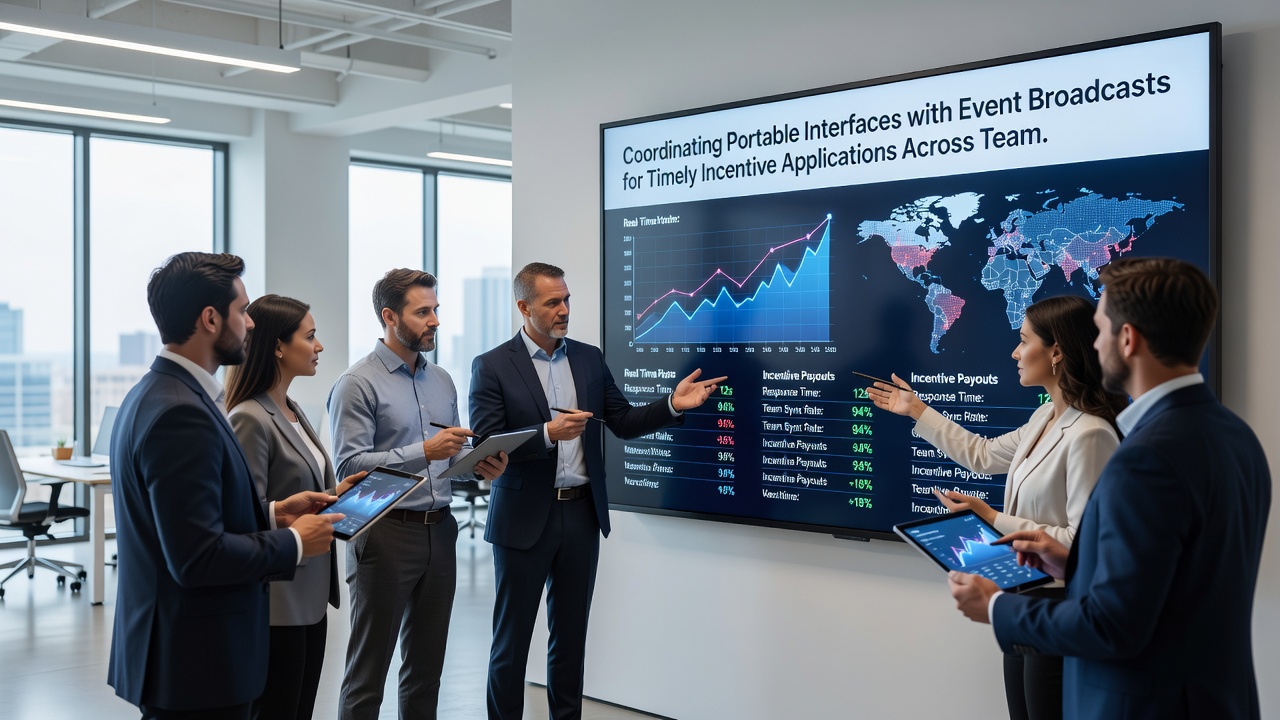
October 2026 updates to certain broadcast specifications introduced additional metadata fields that further support incentive timing, and operators integrated these changes into existing mobile platforms without requiring full user reinstalls. Figures from regulatory bodies in Canada and Australia reveal increased scrutiny on data handling practices during such upgrades, prompting developers to publish compliance documentation that outlines retention periods and user consent flows.
Challenges in Scaling and Reliability
High-traffic periods test the limits of synchronization when viewership spikes, and systems counter this through load balancing across distributed servers plus fallback mechanisms that rely on cached broadcast data when live feeds briefly drop. Research indicates that redundancy protocols keep incentive delivery rates above 98 percent even during network congestion, although regional variations in internet infrastructure can still affect outcomes for some users.
Cross-border events add another layer because different jurisdictions apply distinct rules to incentive distribution, and platforms therefore segment logic by user location detected via account settings or device signals. Industry associations in the European Union and the United States have issued guidelines that encourage transparent disclosure of how broadcast data influences reward timing, and operators reference these documents during system audits.
Future Developments in Integration Methods
Emerging standards for 5G and next-generation broadcast technologies promise tighter coordination between signals and devices, and early pilots demonstrate sub-second response times that could expand incentive types available during live competitions. Academic papers from institutions in Asia and North America explore machine learning models that predict optimal trigger windows based on historical event patterns, yet practical deployment still depends on cooperation between broadcasters, device manufacturers, and application providers.
Those who maintain these systems emphasize ongoing monitoring of latency metrics and user feedback loops that inform iterative refinements, and the result supports consistent performance across both team and individual athletic markets without favoring one format over another.
Conclusion
Coordination of portable interfaces with event broadcasts enables timely incentive applications by combining precise timing protocols, secure data flows, and adaptable logic that fits varied sports structures, and continued evolution in this area depends on alignment among technical standards, regulatory frameworks, and hardware advancements. Evidence from multiple regions shows measurable improvements in delivery accuracy as implementations mature through 2026 and beyond.