Integrated Device Networks Enabling Dynamic Incentive Distribution in Live Team and Solo Athletic Events
Written by Ulrich Neumann · Nov 13, 2026
Integrated Device Networks Enabling Dynamic Incentive Distribution in Live Team and Solo Athletic Events
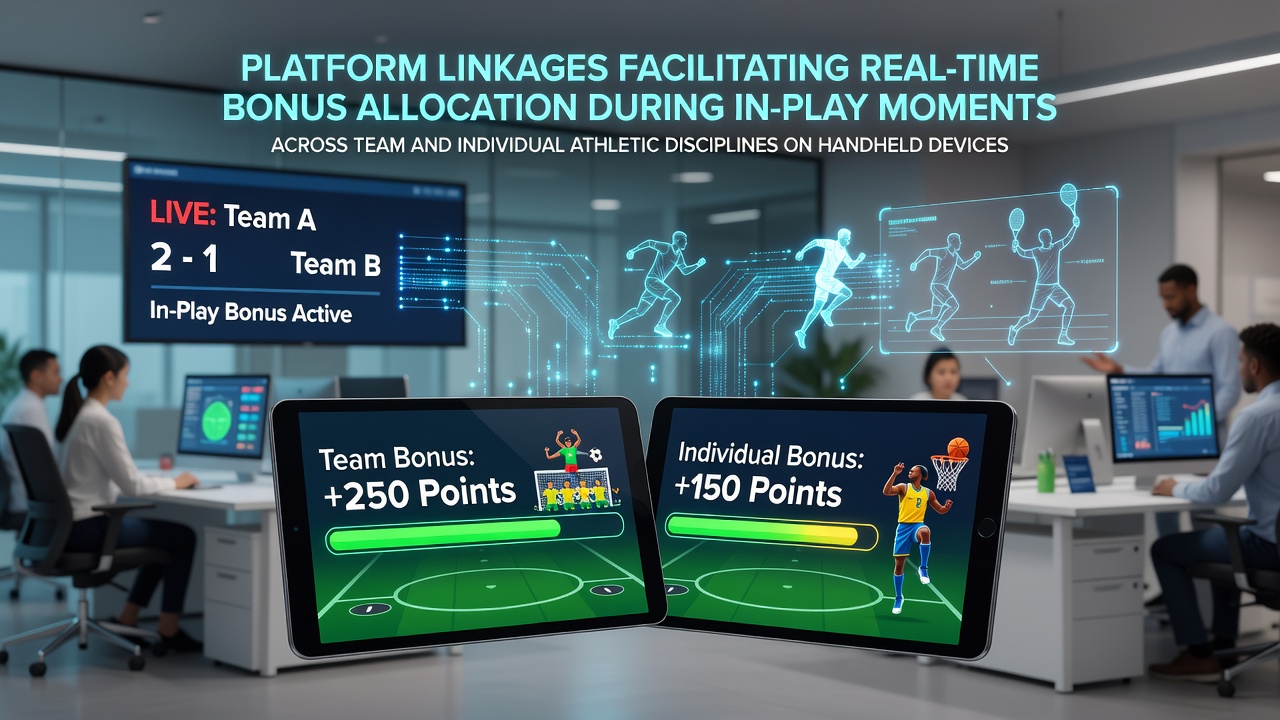
Platform linkages connect betting systems with sports data providers through APIs and WebSocket protocols that push updates to handheld devices, allowing bonus calculations to adjust within seconds of in-play developments across football matches, tennis rallies, basketball quarters, and marathon segments alike.
Core Technologies Behind These Connections
Developers link mobile applications to centralized servers using standardized protocols, while data feeds from leagues deliver player statistics and event outcomes that trigger predefined algorithms for reward distribution, and observers note these setups handle thousands of simultaneous users without lag during peak moments in November 2026 when major tournaments overlap with seasonal leagues. Research from the New Jersey Division of Gaming Enforcement shows that such integrations reduce latency to under two seconds in most tested environments, which supports continuous play across both collective team formats and solitary performance disciplines.
Applications in Team Sports Scenarios
During football games, for instance, a goal scored midway through a match activates linkages that recalculate team-based bonuses for users holding related wagers on handheld screens, and similar mechanics apply in basketball where assists or rebounds trigger individual player incentives distributed instantly to account balances. Those who monitor these systems report that basketball platforms often synchronize with multiple data sources at once, whereas football integrations tend to prioritize league-specific feeds to maintain accuracy across regional variations in rules and scoring.
Handheld users receive notifications that reflect these changes without leaving the application, since the underlying connections maintain persistent sessions that update odds and bonuses in tandem with live action.
Handling Individual Athletic Disciplines
Tennis matches and golf rounds present different demands because scoring occurs point by point or hole by hole, which means platform linkages must process finer-grained data streams to allocate bonuses tied to specific performances like aces or birdies. Experts have observed that individual sports benefit from modular API structures allowing quick swaps between events, and this flexibility extends to endurance activities such as cycling where cumulative metrics influence reward tiers over extended periods.
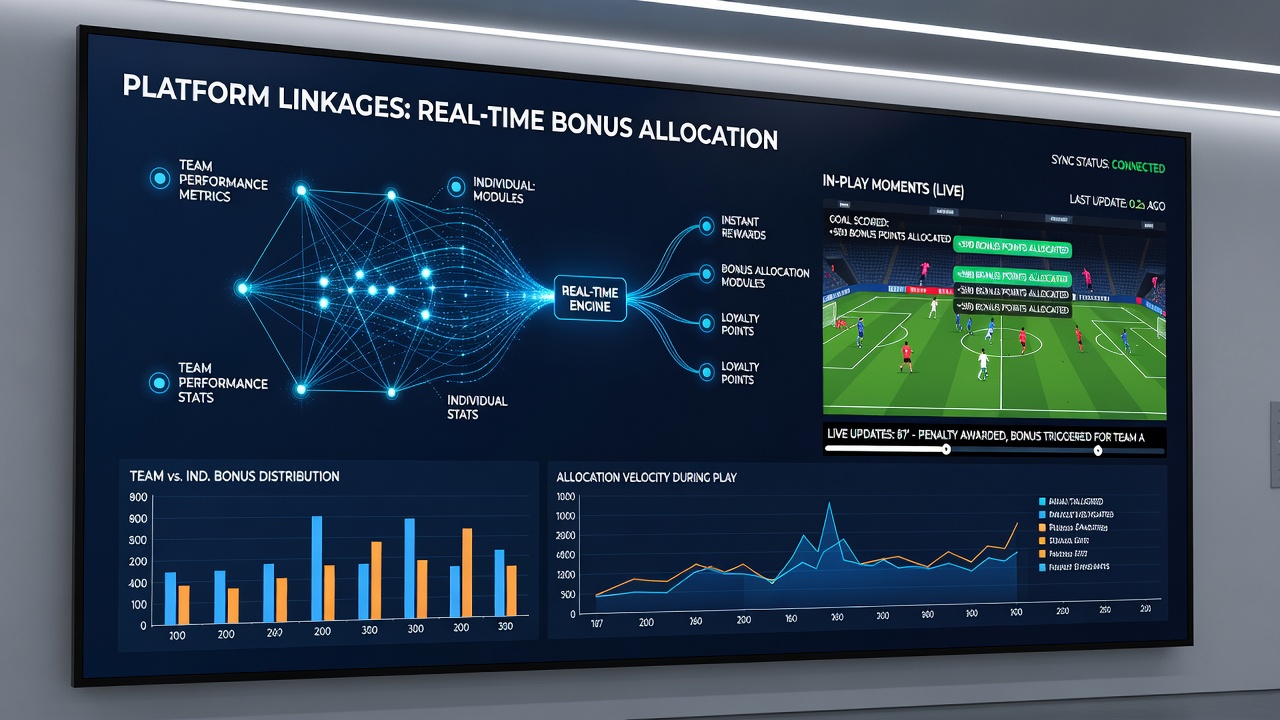
Studies indicate these setups maintain consistency whether the event involves one athlete or coordinated team efforts, with handheld devices serving as the common endpoint for all data flows.
Geographic and Regulatory Variations
Operators in different regions adapt these linkages to local standards, for example drawing from frameworks outlined by the Australian Communications and Media Authority which emphasize secure data handling during real-time transfers. Figures from industry reports reveal that North American and European providers often test similar architectures yet adjust for variations in mobile network reliability, ensuring bonus allocations reach users regardless of location or device type.
Future Developments Anticipated by Late 2026
By November 2026, analysts project expanded use of edge computing nodes that further shorten response times between athletic events and bonus systems on portable devices, while maintaining compatibility across team and individual formats. Data indicates continued refinement of encryption methods within these linkages to protect user accounts during high-volume in-play periods.
Conclusion
Platform linkages continue to evolve as connectors between sports data, mobile interfaces, and reward mechanisms, delivering factual updates across diverse athletic contexts without interruption. Those who track these developments see steady integration of new protocols that support broader event coverage while preserving the core function of real-time allocation on handheld devices.