Streamlined Access: Managing Wagers and Bonuses in Real-Time Athletic Events on Portable Devices
Written by Elena Friedrich · Oct 2, 2026
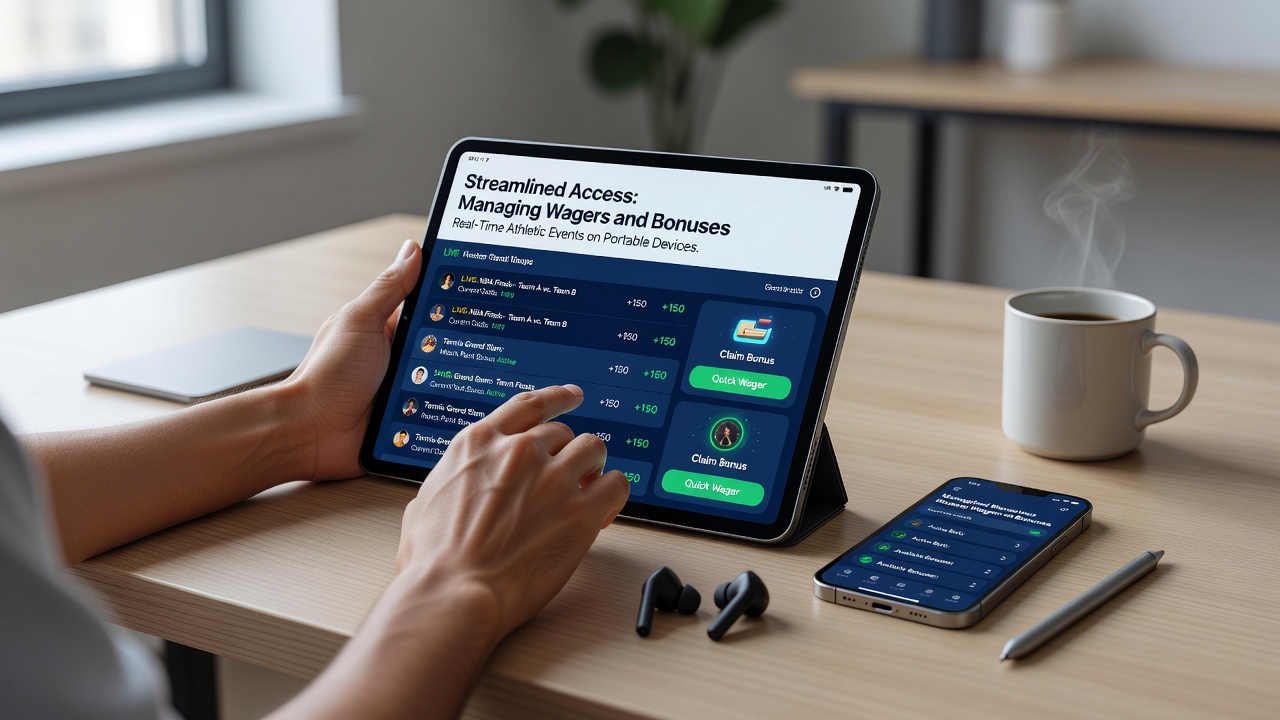
Streamlined Access: Managing Wagers and Bonuses in Real-Time Athletic Events on Portable Devices
Portable devices now support direct management of wagers and bonuses during live athletic competitions, with interfaces that update odds, account balances, and promotional credits in seconds. Developers have integrated application programming interfaces from sports data providers, which allows bettors to adjust stakes or claim bonuses without leaving the main viewing screen. Data from industry reports shows that mobile platforms handled over 65 percent of all real-time wagers in major leagues by mid-2025, a figure expected to rise further as 5G coverage expands.
Core Features Driving Real-Time Adjustments
Applications connect to live event feeds through secure sockets that push score changes and market shifts instantly. Users tap to increase or decrease wager amounts, while the system recalculates potential returns and displays them alongside updated odds. Bonuses appear as separate balance lines, and players can apply them to specific markets with one or two selections. Research from the Canadian Gaming Association indicates that operators using these synchronized systems reduced processing delays to under three seconds on average during peak match periods.
Push notifications alert account holders when new bonus offers activate or when a wager reaches a cash-out threshold. These alerts link directly to the relevant screen, where users review terms before confirming any change. Operators in Australia have adopted similar frameworks, and figures from the Australian Communications and Media Authority reveal that mobile bonus redemption rates climbed 22 percent year-over-year after these notification systems launched.
Security Protocols and Regulatory Compliance
Encryption standards protect every transaction, with session tokens refreshing at regular intervals to prevent interception. Biometric verification, such as fingerprint or facial recognition, confirms identity before large adjustments process. Regulatory bodies require operators to maintain detailed logs of all mobile interactions, which auditors review during compliance checks. In the United States, the Nevada Gaming Control Board has published guidelines that emphasize real-time monitoring of bonus usage to ensure fair play across portable platforms.
Integration with Live Streaming and Event Data
Many applications overlay betting controls directly on streaming video, allowing viewers to manage wagers while watching the action unfold. Data feeds from leagues supply statistics that feed into dynamic odds engines, and users see these calculations refresh without manual page loads. One study released by the European Gaming and Betting Association found that integrated streaming increased average session duration by 18 minutes during football and basketball matches. This setup also supports simultaneous tracking of multiple bonuses tied to specific events, such as accumulator boosts or cash-back offers that activate only when certain conditions occur live.
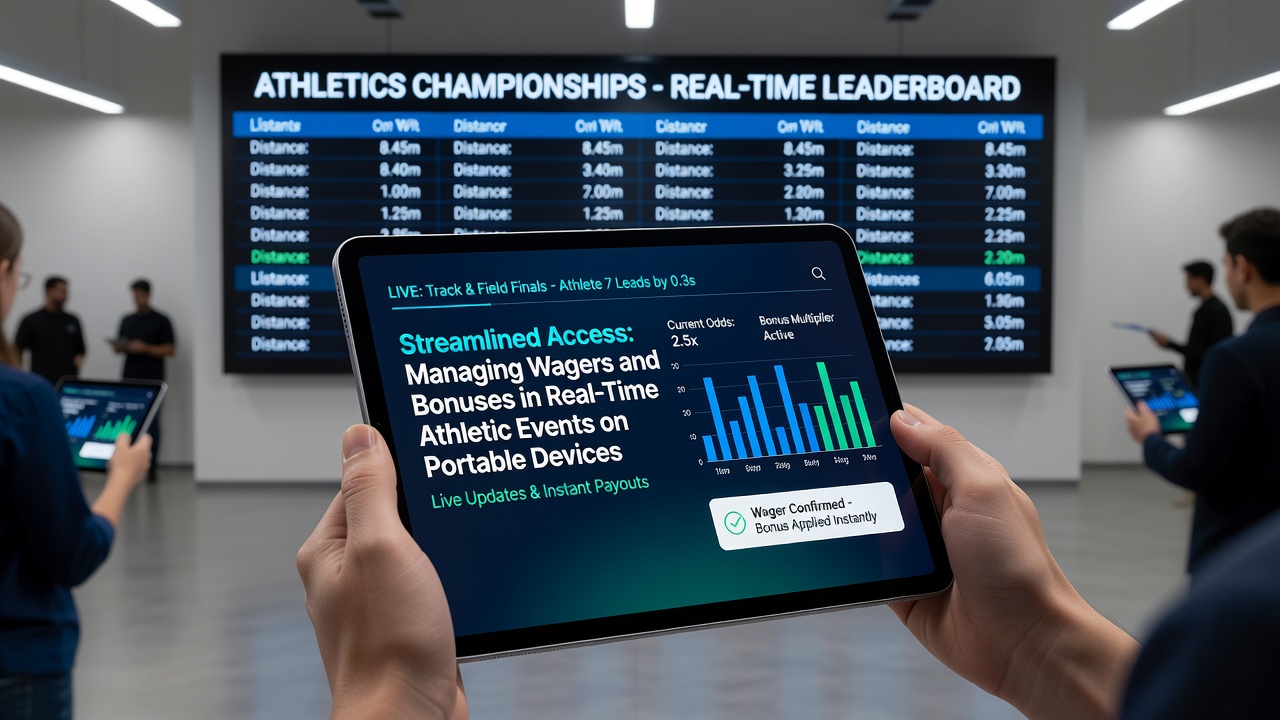
As of October 2026, several platforms introduced predictive tools that suggest bonus applications based on historical user patterns and current event momentum. These suggestions remain optional, and the system records every interaction for transparency. Observers note that such features align with broader industry shifts toward automation while still requiring explicit user confirmation for all financial actions.
Device-Specific Optimizations and User Controls
Developers tailor interfaces for different screen sizes and operating systems, ensuring that wager sliders and bonus selectors remain responsive on both compact phones and larger tablets. Battery and data usage monitors appear within settings menus, helping users track consumption during extended events. Accessibility options include voice commands for placing or modifying wagers, along with high-contrast modes that improve visibility under bright outdoor conditions. Reports compiled by academic researchers at the University of Sydney highlight that these optimizations have broadened participation among users who previously faced technical barriers on mobile devices.
Account dashboards present a consolidated view of active wagers, pending bonuses, and historical outcomes. Filters allow sorting by sport, event date, or bonus type, while export functions generate statements for personal record-keeping. Operators continue to refine these tools in response to user feedback collected through in-app surveys.
Conclusion
Mobile platforms have established reliable pathways for managing wagers and bonuses amid live athletic events, supported by secure connections, regulatory oversight, and continuous data integration. Statistics from multiple jurisdictions confirm steady growth in usage, while technical refinements keep pace with evolving device capabilities. These systems deliver factual access to real-time controls without introducing subjective claims about user experience or preference.